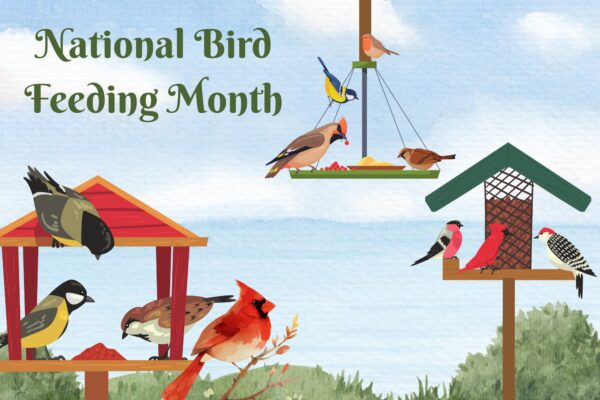
February is National Bird Feeding Month; it’s time to learn about the world around us and feed some birds in the process.
Amazing Backyard Birds Facts
Ornithology is the scientific study of birds. An ornithologist studies birds’ behavior and biology, promotes the conservation of birds and their environment, and educates others about the importance of birds and their environment.
Every autumn, the part of a black-capped chickadee’s brain responsible for memory grows by 30 per cent, to help it find its hidden seeds throughout the winter. In the spring, it shrinks back to its standard size.
You can usually see around 12 different bird species a day, depending on the weather and time of year, with a yearly total of around 50 different species of birds.
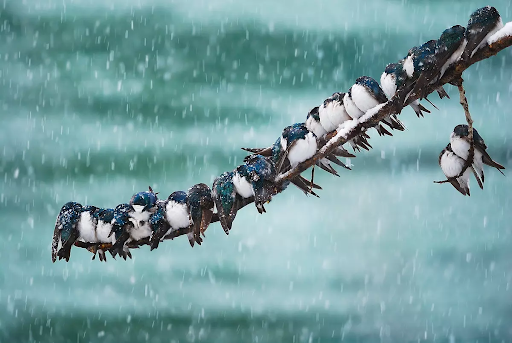 A bird’s body temperature remains approximately 105 degrees, even in winter. They store fat during the short days of winter to keep themselves warm during the long nights. During those freezing nights, they fluff their feathers to trap heat and slow their metabolism to conserve energy.
Tree swallows huddle in snow, Keith Williams, Creative Commons Attribution-NonCommercial-NoDerivatives 4.0, https://www.fws.gov/media/tree-swallows-huddle-snow
American goldfinches are easy to spot because they are bright yellow; however, during winter, they change colors. They lose their bright yellow feathers and grow dull brownish-green feathers.
Some birds use the snow to keep warm. Ruffed grouse keep warm by diving into snow, creating snow caves that maintain temperatures of 20-plus degrees, no matter how cold the air temperature drops.
February is the hardest month for wild birds. What can you do to help feed the birds near you during winter?
Offer your backyard birds a buffet of bird seeds or create a bird feeder for their snacking pleasure.
Clothes Pin Mini Bird Snack
Supplies Needed:
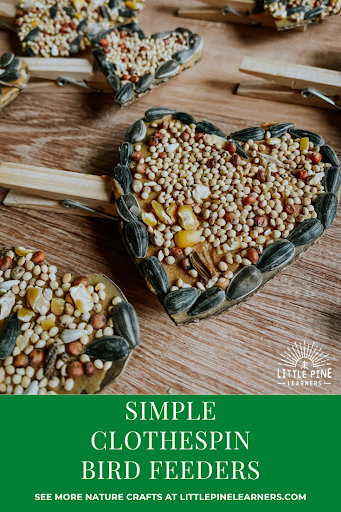
Directions:
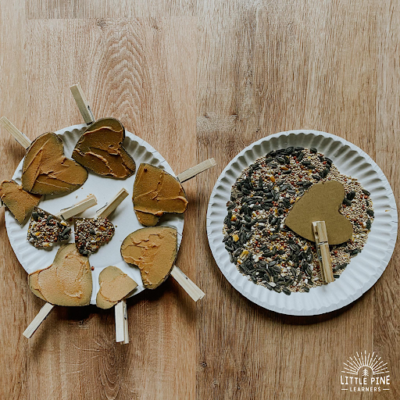
Step 1: Draw and then cut cardboard shapes. You can use any shape you want: hearts, stars, circles, triangles, and more. Cookie cutters can be used as templates.
Step 2: Glue your shapes to the ends of clothespins to create the base for your bird feeder.
Step 3: Spread peanut butter or shortening on the cardboard shape. You want a nice, thick layer so your birdseed will stick. Peanut butter offers birds a great source of fat and protein to help build up the fat deposits they use to keep warm.
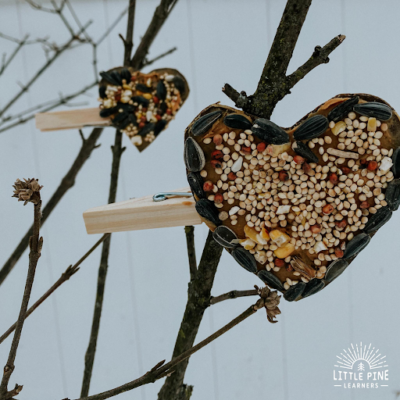
Step 4: Cover the entire peanut butter area with birdseed. You can get creative and make patterns and shapes. Once complete let your bird snack harden overnight or pop it in the refrigerator for faster drying.
Step 5: Clip your bird snacks to trees and bushes so your bird friends can find and enjoy them.
Book Picks:
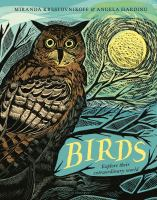
Birds: Explore Their Extraordinary World by Miranda Krestovnikoff
From the bitter cold polar regions to the lush tropics, birds have found incredible ways to adapt and survive anywhere. What birds can do is extraordinary. The statuesque golden eagle spots prey from miles away. Discover which bird is the fastest, the smallest, the smartest, the most colorful and more in this nonfiction compendium, complete with descriptions from wildlife expert Miranda Krestovnikoff and stunning linocuts from artist Angela Harding.
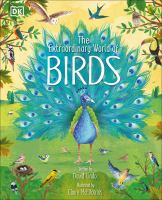
The Extraordinary World of Birds by David Lindo
Parrots, hummingbirds, eagles, and more swoop across the pages of this colorful bird book, which combines gorgeous illustrations and photos to help young enthusiasts learn all about the wonderful world of birds. From frozen icescapes to sweltering deserts, from prehistoric ancestors to amazing adaptations, they’ll discover the surprising homes and habits of our feathered friends. They’ll also find out about how we can help protect birds and their natural habitats.
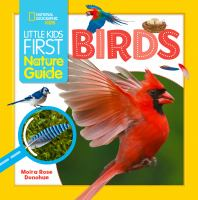
Birds by Moira Rose Donohue
This delightful little nature guide for young children is all about discovering the wonderful world of birds swooping, soaring, fluttering, and flying around your neighborhood and beyond.
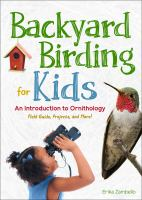
Backyard Birding for Kids: An Introduction to Ornithology: Field Guide, Projects and More! by Erika Zambello
Become a young ornithologist. Learn all about the scientific study of birds. Author, birder, and outdoors researcher Erika Zambello presents a kids’ introduction to bird-watching. With fascinating information for beginners, the book provides readers with an understanding of bird anatomy, life cycles, habitat, and 60 species of backyard birds!
Everything Bird: What Kids Really Want to Know About Birds by Cherie Winner
Perfect for budding birdwatchers or simply curious kids, this book includes 29 questions from kids, with answers that include information on more than 60 different types of birds. Includes information on how to get more birds to your yard, but also cautions against interfering with birds in the wild.
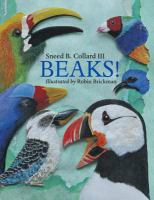
Beaks by Sneed B. Collard III
Simple text describes various bird beaks and how birds use them to eat, hunt, and gather food.
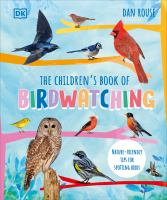
The Children’s Book of Birdwatching by Dan Rouse
A book, packed with inexpensive upcycling projects, that provides kids with tips on how to attract a range of birds to their outdoor space. Transform your backyard into a sanctuary for a variety of birds. Make a difference to the local wildlife with this informative, hands-on book. Bird numbers are in decline, and you can help them by creating a place for them to thrive. Make a bird feeder that you can fill with seeds or a mini pond for them to drink from, and watch as a range of birdlife gather in your garden. The Children’s Book of Birdwatching celebrates local wildlife and teaches children about the challenges birds face and how we can help.
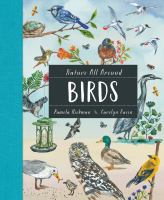
Birds by Pamela Hickman
This beautifully illustrated, comprehensive book explores why birds are such an important part of the wildlife food chain. Essential scientific topics, such as migration and pollination, are explained in kid-friendly language, with helpful illustrations. Readers will even learn about the birds in their communities using a bird-watching questionnaire.
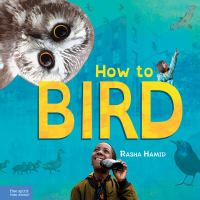
How to Bird by Rasha Hamid
Birding for everyone, everywhere. Birding is a joyful, wonder-filled activity that anyone can do. Birding is a fun and accessible practice for coping with stress, practicing mindfulness, and getting outdoors, and How to Bird shares how to get started and empowers children to find joy in birdwatching. How to Bird is a culturally relevant, lyrical, succinct, and direct procedural text on birding strategies.
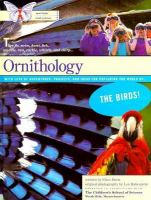
Ornithology by Ellen Doris
Explores the world of birds
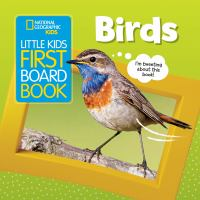
Birds by Ruth A. Musgrave
Presents an introduction to a variety of birds, with simple facts about their feathers, feet, and songs.
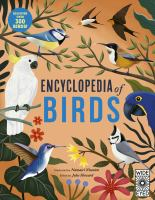
Encyclopedia of Birds by Namasri Niumim
Packed with over 300 species of birds, this beautiful encyclopedia will take you on an incredible journey through the world of birds ,helping you find out about the amazing feathered creatures that share our planet. From tropical parrots and toucans to sea birds and eagles, find out all about birds with this informative first guide.
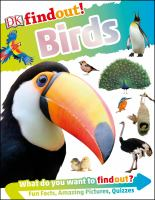
Birds by Ben Hoare
Find out how birds from around the world fly, feed, sense the world, communicate, build nests, protect their eggs, raise chicks, keep their feathers in top condition, defend themselves, and travel in search of food and nesting sites.
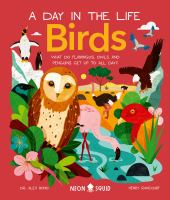
Soar through the skies to follow the lives of our feathered friends as they fight, dance, and play their way through their day. Ornithologist Dr. Alex Bond tells the story of the world’s most amazing birds in the style of a nature documentary, including gentle science explanations perfect for future biologists.
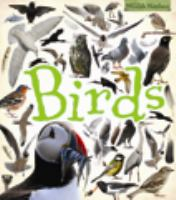
Birds by Terry Jennings
Presents an introduction to birds, describing basic physical characteristics, different types, including water birds, seabirds, woodland birds, ducks, geese, swans, and birds of prey, and the dangers they face from pollution and habitat loss.